
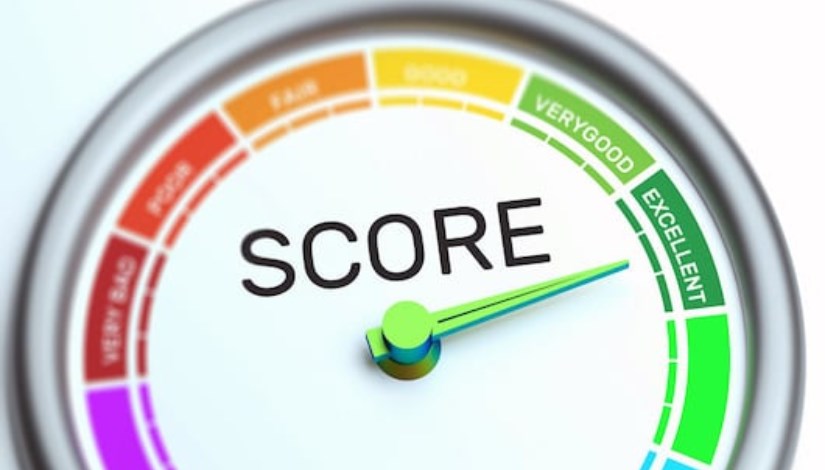
Do you know what “I-Score” is? If you don’t, you really need to learn about it now—because one day you might find out by accident, and that would be very frustrating. You may decide to apply for a bank loan thinking it’s an easy process, only to be surprised when the bank employee tells you that you cannot get the loan because your name is listed on the negative records of I-Score.
I-Score is your credit rating, which is determined by the Egyptian Credit Bureau (I-Score). In short, it represents your credit history. What does that mean?
For example, when you apply for a bank loan, the first step the bank takes is to check your name in the I-Score system to see whether you’ve taken loans before. If you have, they check whether you paid your installments on time or defaulted on them.
Some people mistakenly think they can take a loan from one bank, then go to another bank and take another loan without the second bank knowing—but that’s not true.
What causes you to be listed on the negative records?
Being listed on the negative I-Score records means your credit history is poor. Unfortunately, this doesn’t only happen because of loan defaults—it can be much simpler than that without you realizing it.
For example, you might have issued a credit card or shopping card and never used it. There is an issuance or annual fee (around 50 EGP). If you don’t pay it, after some time the bank will report you to I-Score, and your name will be added to the negative list. Years later, when you apply for a loan, you’ll be told: “Sorry, you’re not eligible.”
Why is it important to have a good I-Score?
Not only for bank loans—you may want to buy something in installments from a large company, such as a car or other goods, or apply for apartments under the national housing project.
How can you check your I-Score?
You can visit any bank branch you deal with, request the report, pay a fee of 50 EGP, and receive a report showing your credit status.
Important advice
Make sure you monitor any old bank accounts you still have. Don’t leave them open—check the fees and close them if needed. If you have an old loan or installments, make sure they are fully paid. Also, don’t ignore unpaid mobile bills. Neglecting these small things could one day prevent you from obtaining any form of credit.


Comments (0)
No comments yet. Be the first to comment!
Leave a Comment