
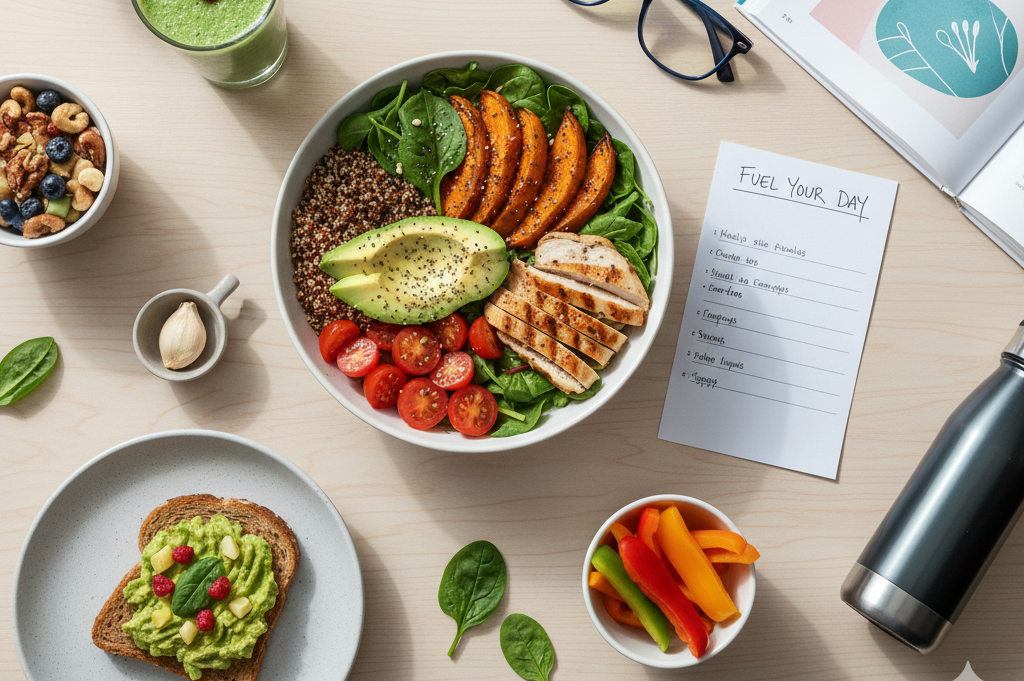
Health food is more than just a trend or a marketing label—it’s a lifestyle choice that focuses on nourishing the body with foods that support overall well-being, prevent disease, and promote long-term vitality. In a world filled with processed meals, sugary snacks, and fast food, choosing health food is a powerful step toward better physical and mental health.
What Is Health Food?
Health food generally refers to foods that are nutrient-dense, meaning they provide a high amount of vitamins, minerals, fiber, healthy fats, and protein relative to their calorie content. These foods are usually minimally processed, close to their natural form, and free from excessive additives such as artificial colors, preservatives, and refined sugars.
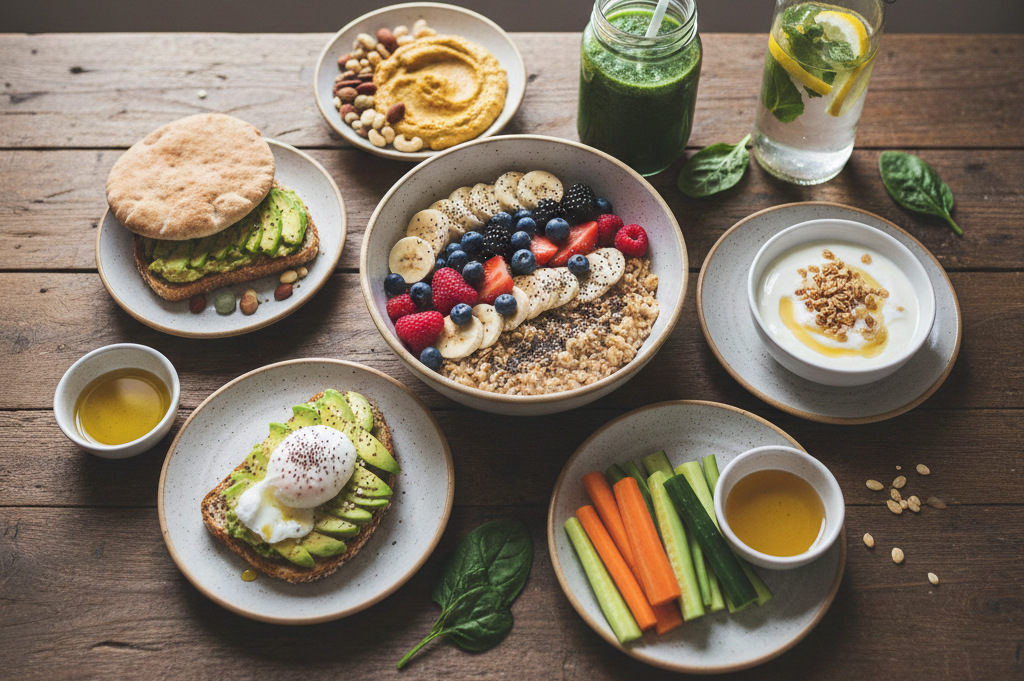
Common examples include fruits, vegetables, whole grains, lean proteins, nuts, seeds, and healthy fats like olive oil.
Key Categories of Health Food
1. Fruits and Vegetables
Fruits and vegetables are the foundation of a healthy diet. They are rich in vitamins, minerals, antioxidants, and fiber. Leafy greens like spinach and kale support heart and bone health, while colorful fruits such as berries, oranges, and apples help boost immunity and fight inflammation.
Eating a variety of colors is important, as each color group provides different health benefits.
2. Whole Grains
Whole grains such as oats, brown rice, quinoa, and whole wheat contain all parts of the grain kernel, including the fiber-rich bran and nutrient-packed germ. They support digestion, help regulate blood sugar levels, and provide sustained energy throughout the day.
Unlike refined grains, whole grains are digested more slowly, keeping you fuller for longer.
3. Lean Proteins
Protein is essential for building and repairing tissues, maintaining muscle mass, and supporting immune function. Healthy protein sources include fish, skinless poultry, eggs, legumes, tofu, lentils, and low-fat dairy products.
Fatty fish like salmon and sardines are especially beneficial because they contain omega-3 fatty acids, which support brain and heart health.
4. Healthy Fats
Not all fats are bad. Healthy fats play a crucial role in hormone production, brain function, and nutrient absorption. Sources such as avocados, nuts, seeds, olive oil, and fatty fish provide unsaturated fats that help reduce bad cholesterol and support cardiovascular health.
The key is moderation and choosing natural fat sources over trans fats and highly processed oils.
5. Nuts, Seeds, and Legumes
Nuts and seeds are small but powerful. They contain healthy fats, protein, fiber, and minerals like magnesium and zinc. Legumes such as beans, chickpeas, and lentils are excellent plant-based protein sources and help improve gut health.
Benefits of Eating Health Food
Improved energy levels due to balanced blood sugar and nutrient intake
Stronger immune system from vitamins, minerals, and antioxidants
Better digestion thanks to high fiber content
Weight management through nutrient-dense, filling foods
Reduced risk of chronic diseases such as heart disease, diabetes, and some cancers
Improved mental clarity and mood, as nutrition directly affects brain chemistry
Health Food and Mental Well-Being
What we eat doesn’t just affect our bodies—it also impacts our minds. Diets rich in whole foods, healthy fats, and complex carbohydrates are linked to better mood, reduced stress, and improved focus. Foods like nuts, fish, dark chocolate (in moderation), and leafy greens are often associated with better brain health.
Common Myths About Health Food
One common misconception is that health food is expensive or boring. While some specialty products can be costly, many health foods—such as beans, oats, eggs, seasonal vegetables, and rice—are affordable and versatile. Another myth is that healthy eating requires extreme restriction, when in reality it’s about balance, not perfection.
Tips for Incorporating Health Food Into Daily Life
Start small by adding one extra vegetable or fruit per day
Replace refined grains with whole-grain options
Cook more meals at home to control ingredients
Read food labels and avoid excessive sugar and additives
Stay hydrated and pair healthy eating with regular physical activity
Conclusion
Health food is not about strict rules or temporary diets—it’s about creating sustainable habits that nourish the body and support a better quality of life. By choosing natural, balanced, and nutrient-rich foods, individuals can improve their physical health, mental well-being, and overall longevity. Small, consistent changes in daily eating habits can lead to powerful, lasting results.

Comments (0)
No comments yet. Be the first to comment!
Leave a Comment